A 2023 report published by the European Commission offers a comprehensive breakdown of cultural activities.
“In this report, cultural activities include a broad range of cultural experiences and creative activities. For example, cultural activities may include, but are not limited to choral and theatre groups, fairs, festivals, gallery exhibitions, music events, carnivals, literature, storytelling, dance and craftwork, and the institutional, community and social settings that support them.”
Culture and Democracy: The Evidence, 2023
Corporate author(s): Directorate-General for Education, Youth, Sport and Culture (European Commission), ECORYS
Personal author(s): Hammonds, William
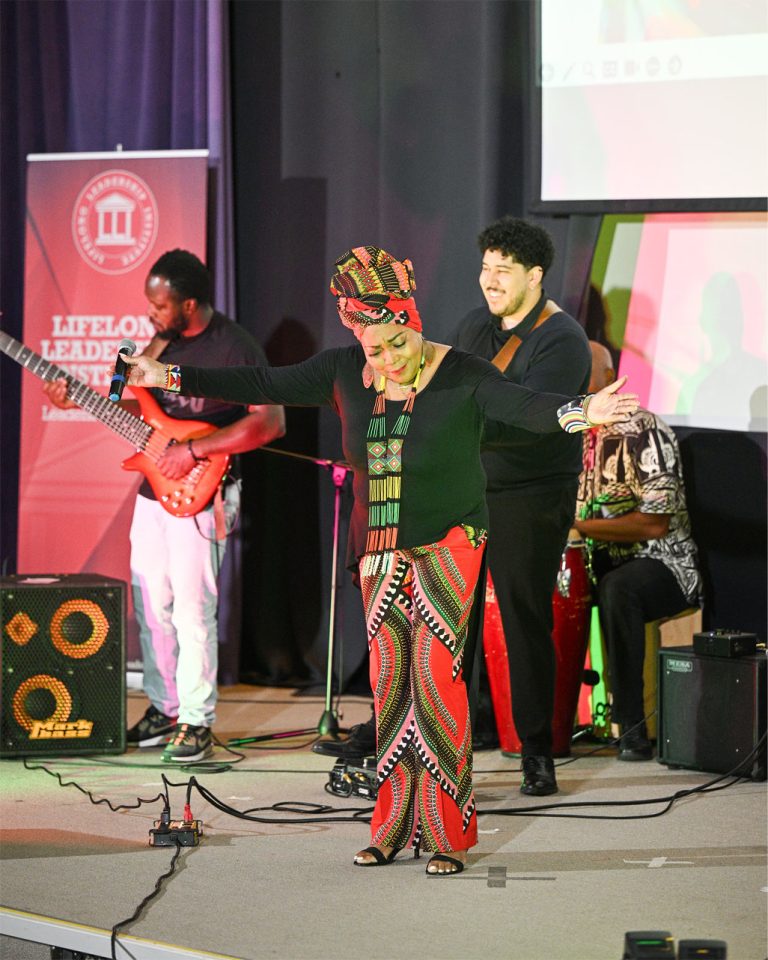
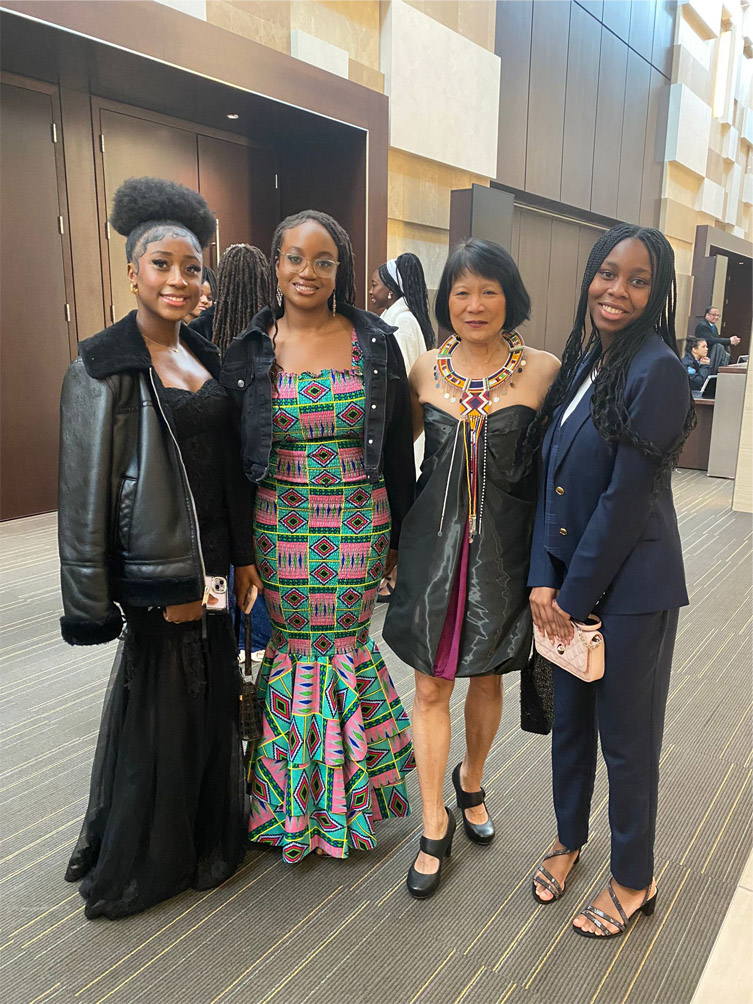
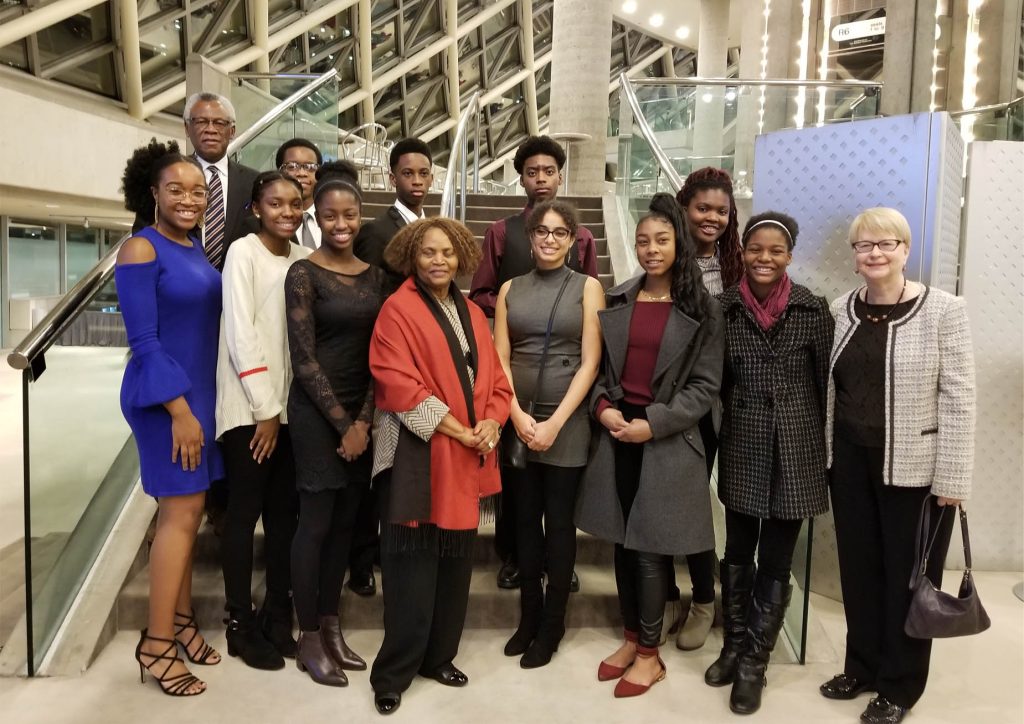
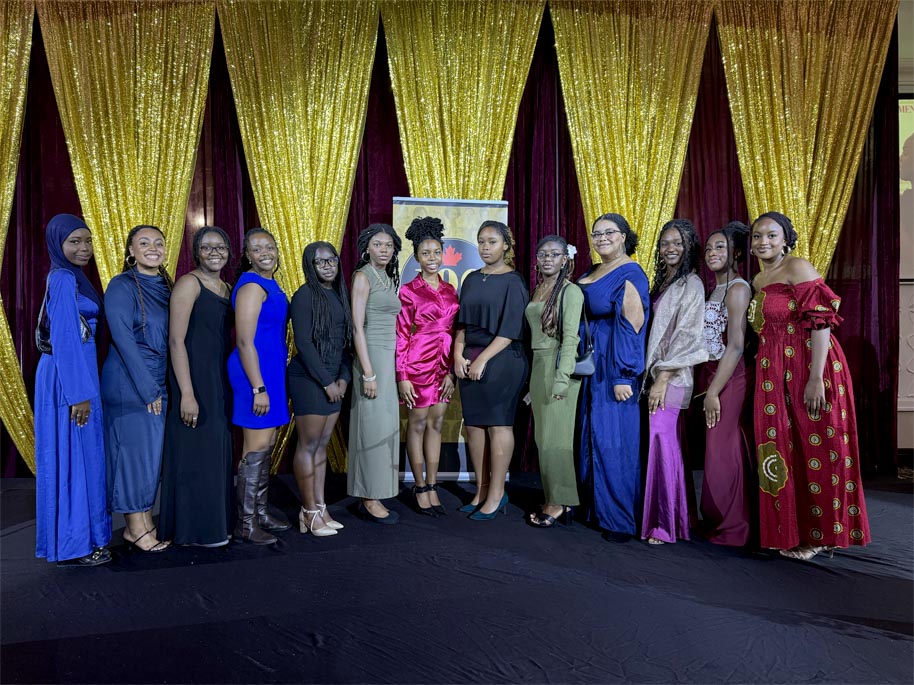
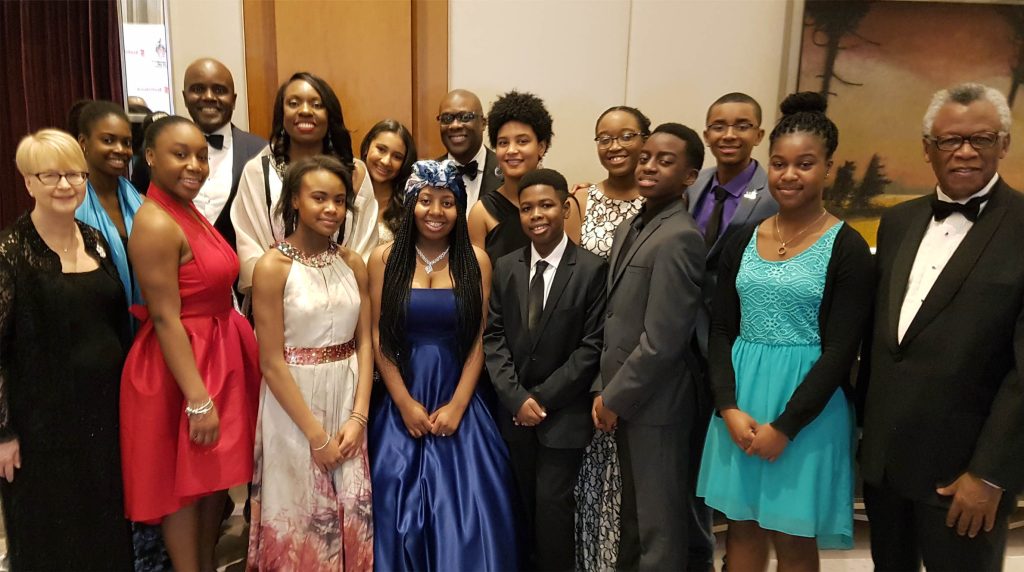
The Leadership by Design (LBD) program enables students to engage in the widest expressions of the cultural arts. While it is important for Black youth in leadership development to be knowledgeable and supportive of cultural art forms aligned with their heritage, it is equally valuable for them to understand and appreciate the cultural expressions of other groups. In diverse cities like Toronto, people thrive when they are educated to respect and value the traditions of others.
Intercultural competence is the ability to interact effectively and appropriately with people from diverse backgrounds. This skill involves not only understanding and appreciating different perspectives but also communicating across cultural boundaries and adapting to new social norms. Developing intercultural competence requires intentional hands-on engagement that blends self-reflection, open communication, and immersive learning experiences. In our globalized world, this competence is important, as it fosters empathy, reduces misunderstandings, and enables collaboration among individuals from various cultures. For leaders, the ability to communicate and connect with people of different cultural backgrounds is vital — and the cultural arts offer an excellent avenue for acquiring and practising these crucial skills.
Cultural arts also offer valuable career opportunities. According to a Hill Strategies study (2021) using Census data, more than 900,000 Canadians worked in arts, culture, and heritage occupations — more of that in each of hospitals, wholesale trade, farms, or real estate. Research by the Canadian Council of the Arts demonstrates that the arts strengthen society in several ways:
A February 2025 report from the Wallace Foundation found that community-based arts programs “can promote well-being and well-becoming for youth of colour. Well-being is holistic wellness in youth’s present lives, which includes mental/psychological, physical, and social dimensions of life satisfaction. Well-becoming represents young people’s present experiences shaping and leading to consideration of a desirable future state.”
A significant portion of the LBD curriculum introduces students to a wide and diverse array of cultural arts, with the expectation that this will enhance student well-being, academic performance, and reinforce important leadership skills.
Venue: Walter Hall Auditorium, Faculty of Music, University of Toronto
Keynote Address titled ‘Follow your Passions and Your Talents,’ plus a trumpet and piano performance.
William Leathers is a highly acclaimed Canadian musician. A graduate of the Juilliard School of Music, he is the lead trumpeter of the Nashville Symphony.
Venue: Young Centre for the Performing Arts, The Distillery District, Toronto
This six-week summer theatre workshop designed for youth was presented by the Soulpepper Theatre Company.
Venue: Meridian Hall, Toronto
Established during the American civil rights movement, this dance organization was established “to uplift the African American experience while transcending boundaries of race, faith, and nationality with its universal humanity.”
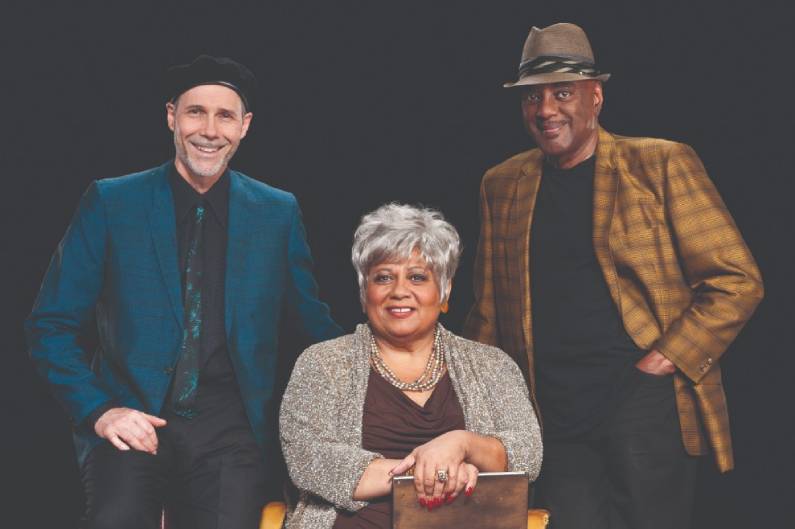
Venue: Meridian Hall, Toronto
A musical tribute to the small community of predominantly African Nova Scotians which was bulldozed in 1967 by the city of Halifax. The performance featured Toronto jazz composer and pianist Joe Sealy and singer Jackie Richardson.
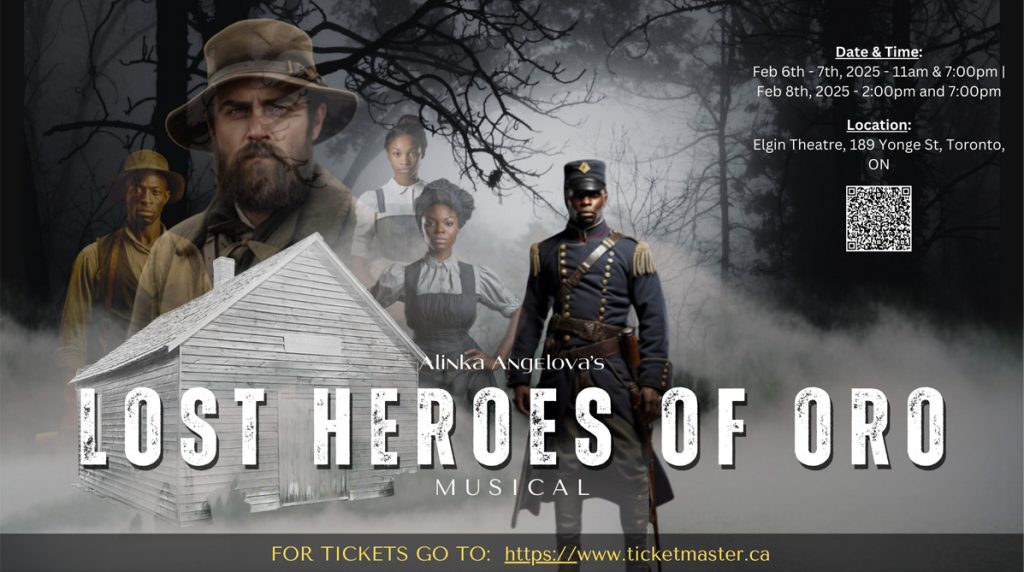
Venue: Elgin Theatre, Toronto
This musical, written and directed by Alinka Angelova, carried the audience on a journey through the 1700’s and 1800’s to uncover a pivotal chapter of Canada’s history — slavery — through the eyes of Black hero Richard Pierpoint.
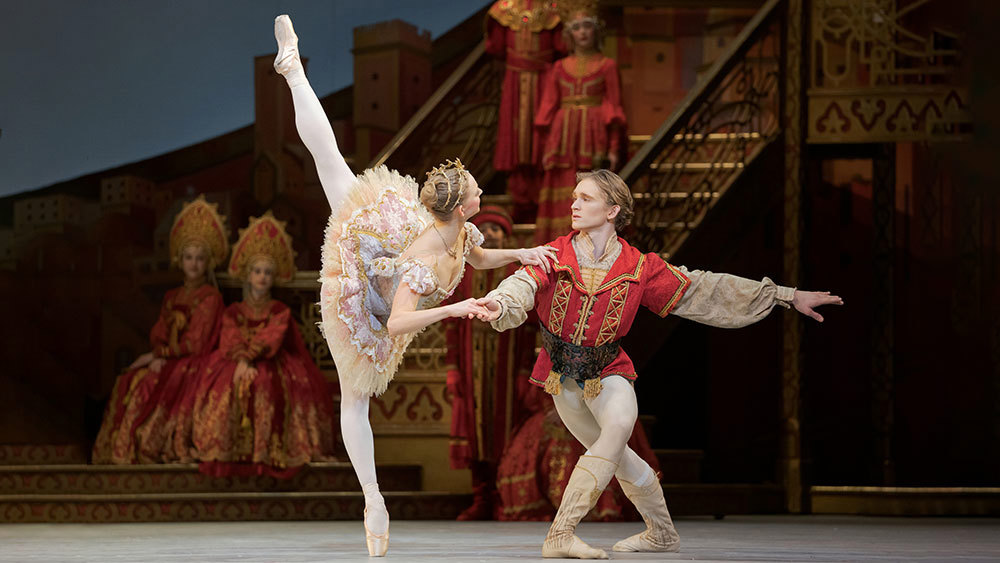
Venue: Four Seasons Centre for the Performing Arts, Toronto
This popular seasonal ballet, performed by the National Ballet of Canada, featured South African born Siphesihle November, the youngest ever Principal dancer in the NBOC.
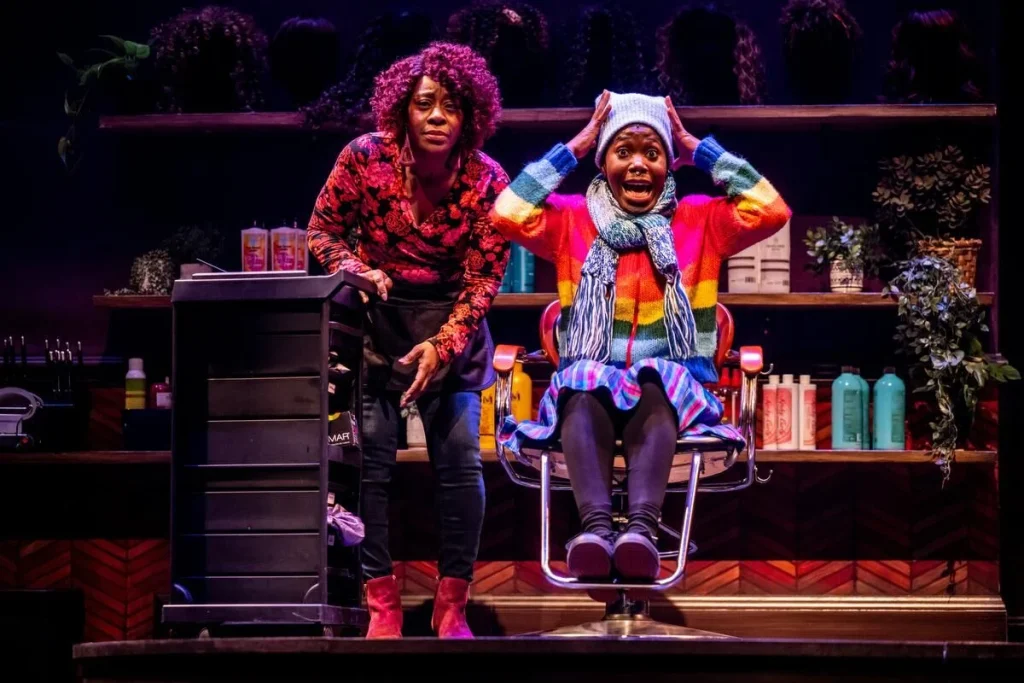
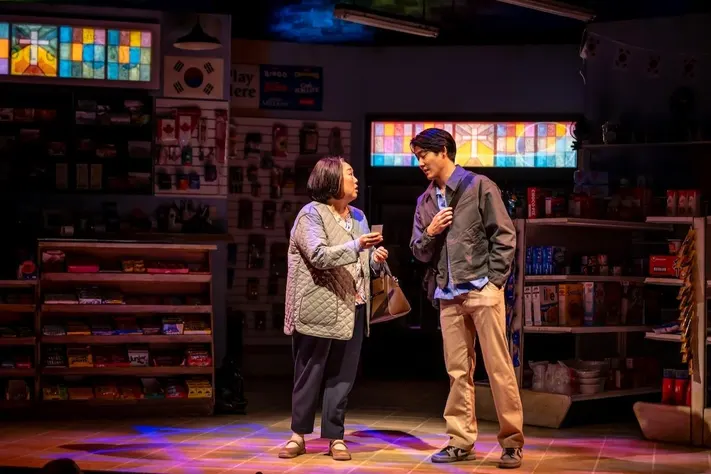
Venue: Tarragon Theatre, Toronto
From creator and performer Kevin Matthew Wong comes a charming and intimate story that transforms into a layered Chinese-Canadian tale spanning continents, migrations, and generations.
Venue: Young Centre for the Performing Arts, The Distillery District, Toronto
The most successful Canadian play of the last decade, Kim’s Convenience is the most popular show in the history of the Soulpepper Theatre Company.
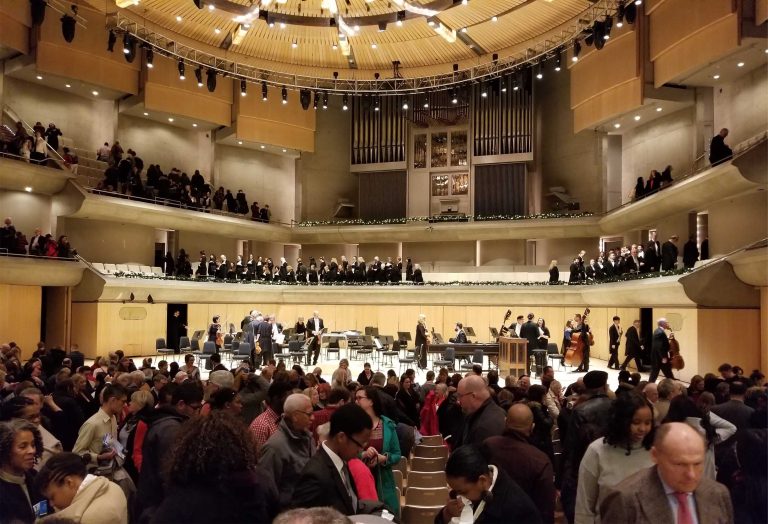
Venue: Roy Thomson Hall, Toronto
Toronto Symphony Orchestra and the Mendelssohn Choir.
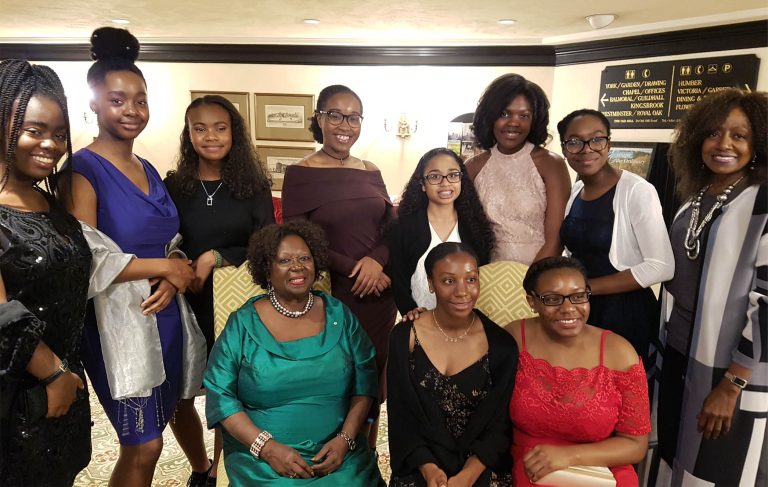
Venue: Woodbine Banquet Hall, Toronto
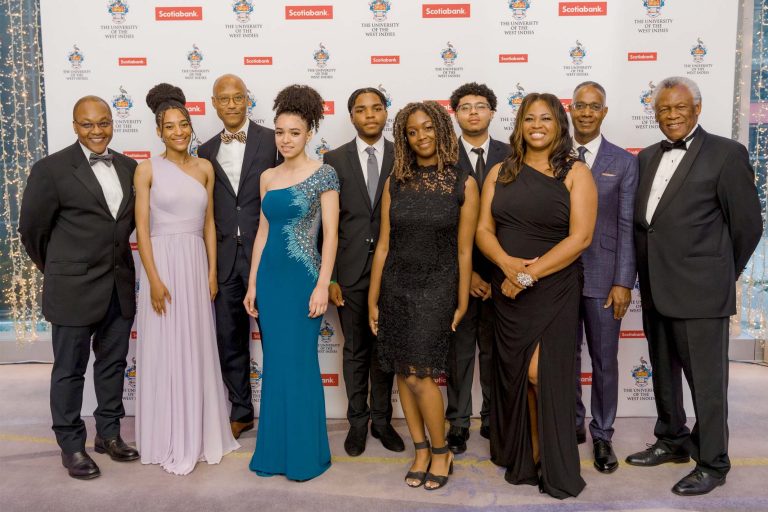
Venue: The Ritz-Carlton Hotel, Toronto
The National Museum of African American History and Culture is the only national museum devoted exclusively to the documentation of African American life, history, and culture.
Presentation by Beverley Morgan-Welch, Associate Director for External Affairs at the Smithsonian National Museum of African American History and Culture, Washington DC.
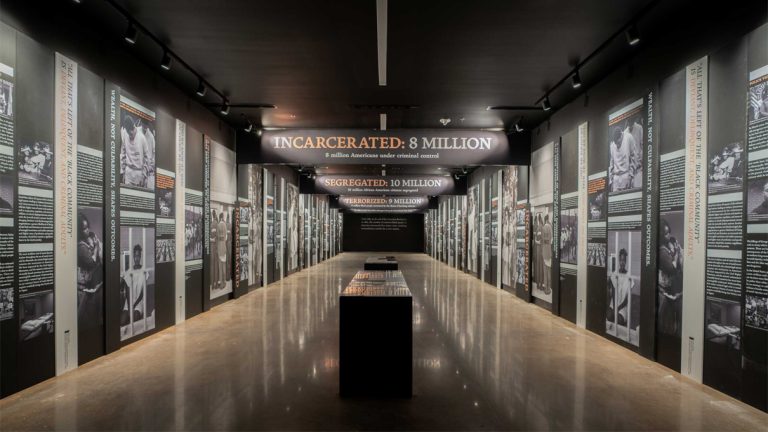
The National Memorial is the first U.S. comprehensive memorial dedicated to the legacy of Black Americans who were enslaved, terrorized by lynching, humiliated by racial segregation, and presumed guilty and dangerous.
Presentation by Sofia McDonald, Staff Attorney, Equal Justice Initiative.
Founded in 2015 and based in the U.K., the Chineke! Orchestra supports, inspires, and encourages Black, Asian and ethnically diverse classical musicians working in the U.K and Europe.
Presentation by Chi-chi Nwanoku, MBE, OBE, OBD, founder of the orchestra.
Benny Bing is a Canadian contemporary artist whose vibrant and evocative work examines themes of Black identity, gender, and humanity. Through bold compositions and striking palettes, he celebrates the beauty, resilience, and complexity of the Black experience, fostering conversations about self-acceptance, cultural pride, and the shared essence of humanity.
Presentation by Benny Bing, Canadian contemporary artist of Nigerian descent.